
A Desert's Most Precious Resource

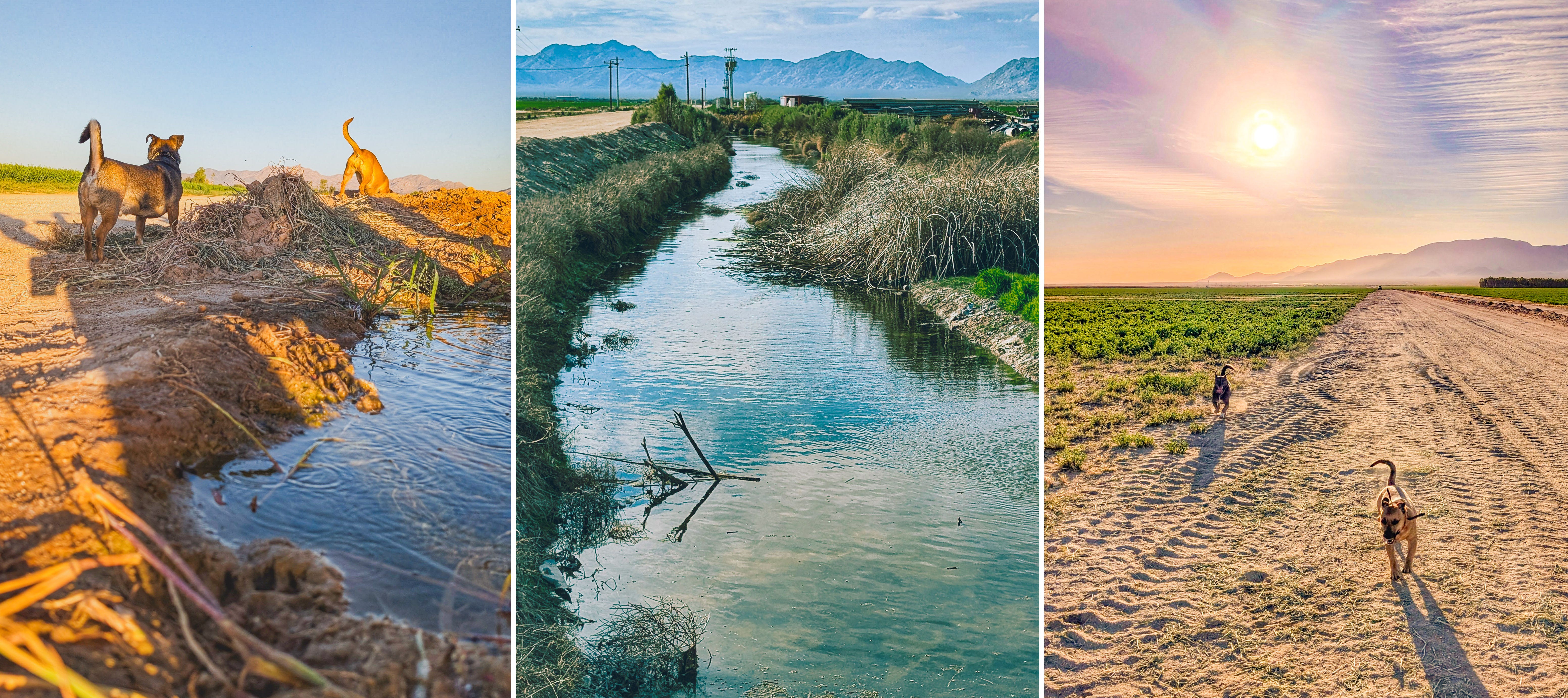
Water is never far from the conversation in Arizona. It seems like the state is always facing some level of water crisis, and I often wonder if even an above-average monsoon season could make a meaningful dent in the long-term drought conditions that have become the norm.


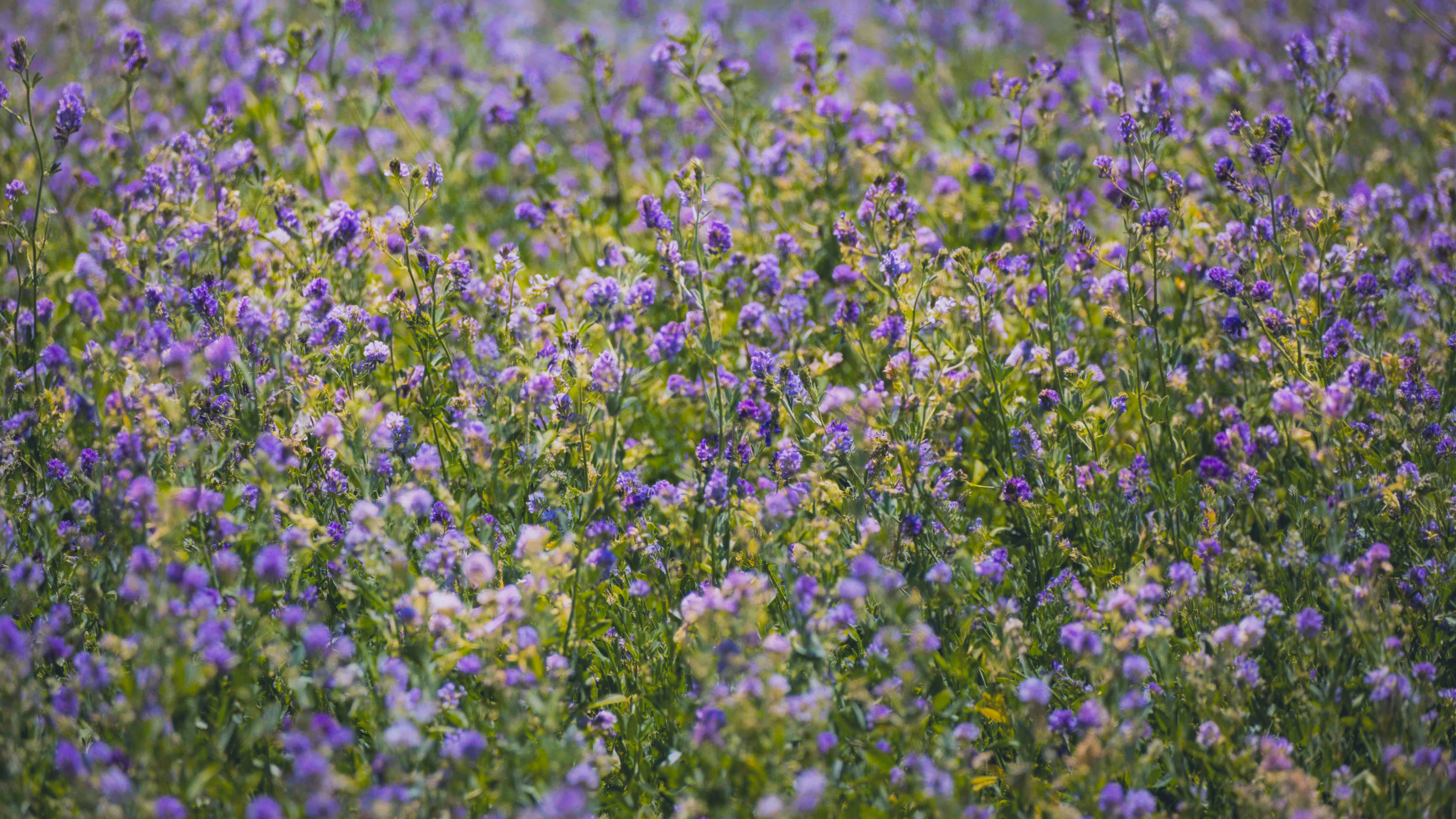
I’ve only lived in Arizona for five years, but in that short time I’ve come to understand how much life here depends on water. In my corner of the state, there is constant concern about the future of the aquifer beneath us. Agriculture has long been the backbone of the local economy, and alfalfa remains the primary crop grown in the area. While it supports local livelihoods, alfalfa is also a thirsty crop, requiring significant amounts of water throughout the growing season.
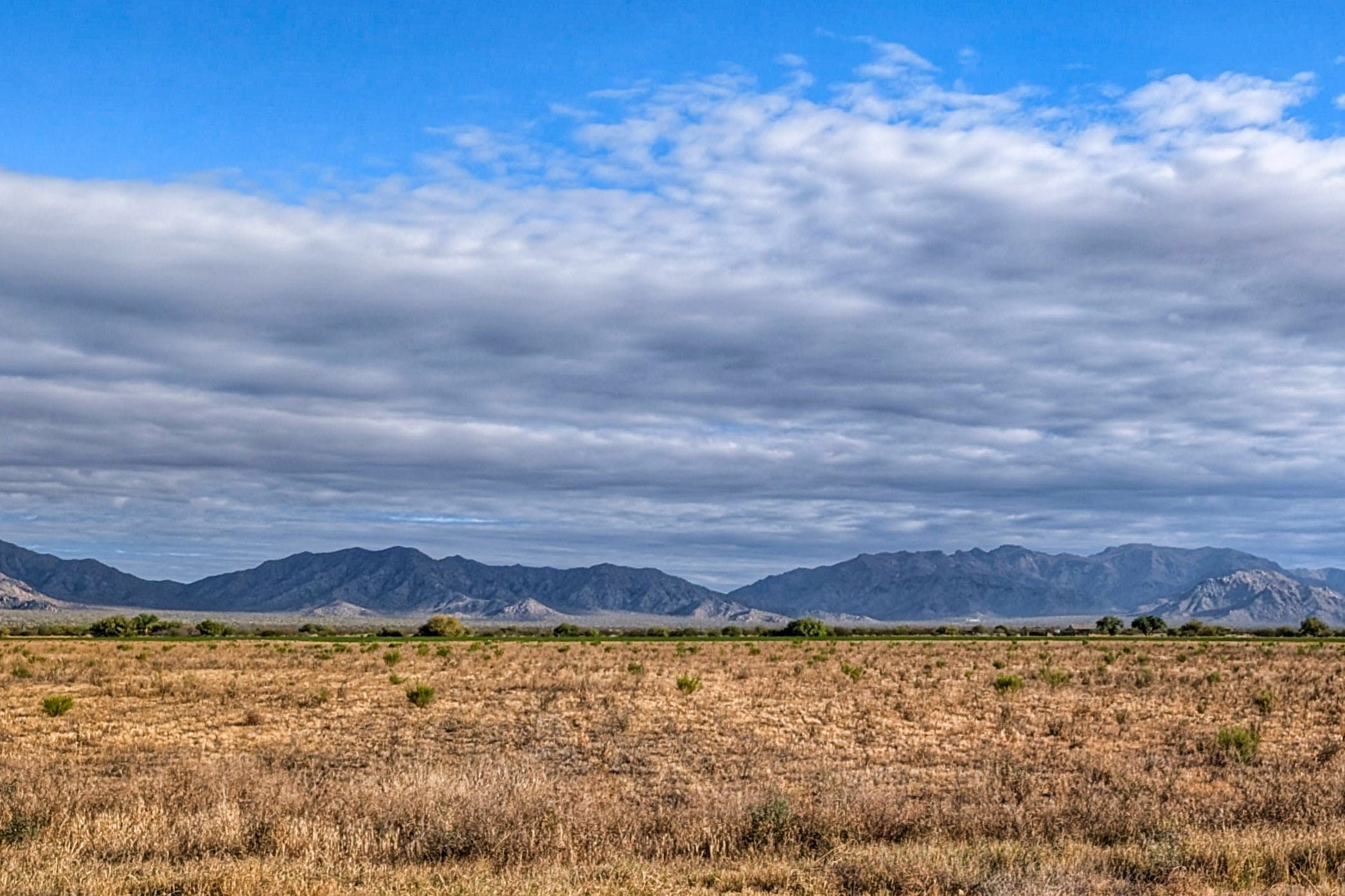
Over the past few years, I’ve noticed changes in the fields around town. Some acreage has been left unharvested, allowed to go to seed rather than being cut and baled. Whether driven by water concerns, economics, or both, it’s a visible reminder that resources are not unlimited.
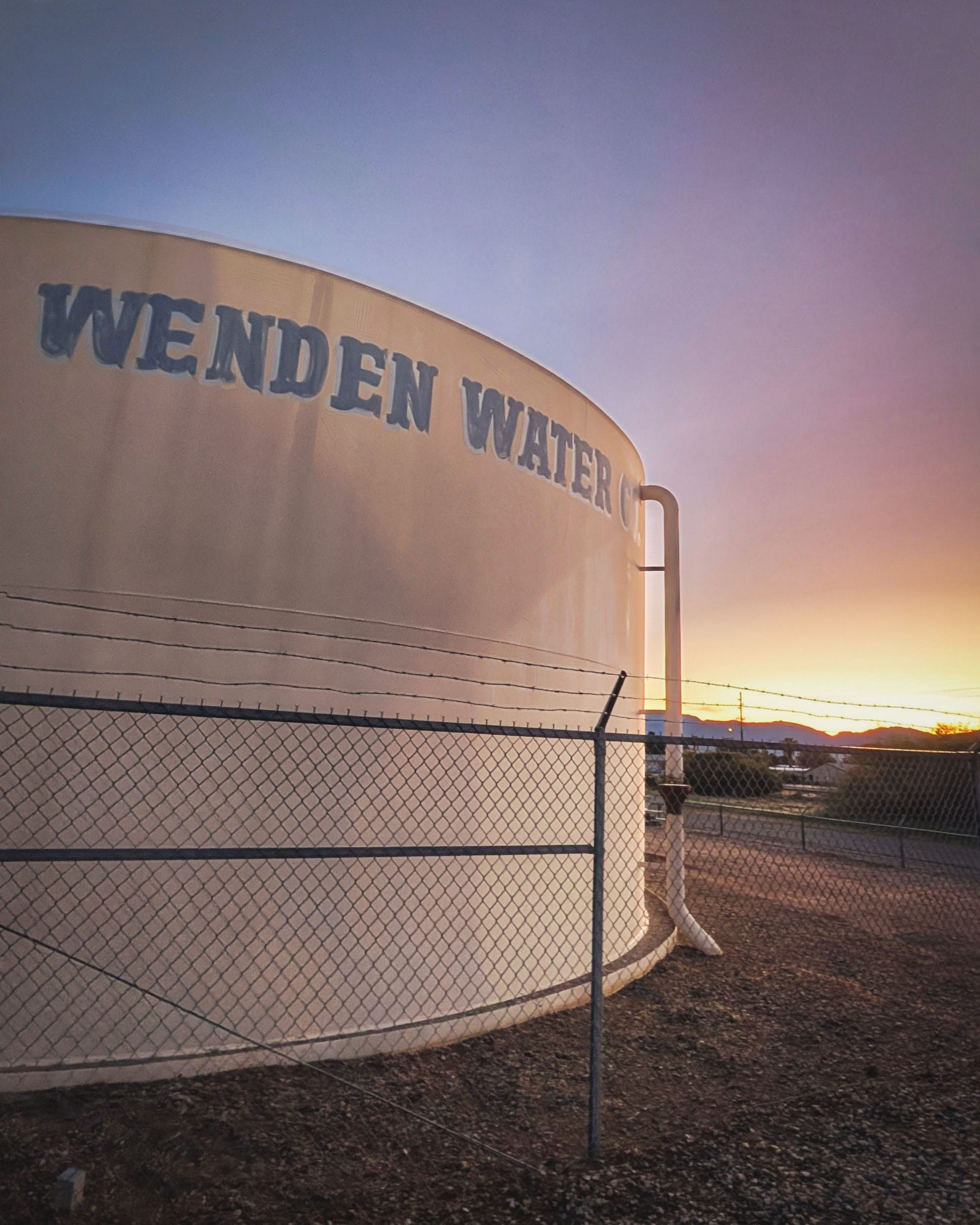
I also spend one day each week working for our small town’s water utility provider. My boss has been interviewed several times by big media companies about the water crisis. Ironically, I don’t receive city water service myself. My home sits about three miles outside of town, and like many rural residents, I rely on a private well. Our well isn’t particularly deep, and if it were ever to run dry, the options would be difficult and expensive. Drilling deeper may not be financially possible, leaving us with the prospect of building water storage infrastructure and hauling water to our property.
We are far from alone in facing these concerns. Communities across Arizona and throughout the Southwest are grappling with similar challenges as water supplies become increasingly strained. That’s one reason I’ve always been surprised by the rapid growth of water-intensive industries in the region, including large data centers that require substantial amounts of water for cooling and operations.


Despite the uncertainty, life goes on. Farmers continue to plant crops, residents continue to maintain their homes and businesses, and communities continue to adapt. Like many people who call the desert home, I remain hopeful that we can find a balance between growth, conservation, and sustainability. In the end, all of us share the same wish: that there will continue to be enough water for future generations to live, work, and thrive in this remarkable landscape.
—
Until next time…
Rhonda 😊🌻📷🐾